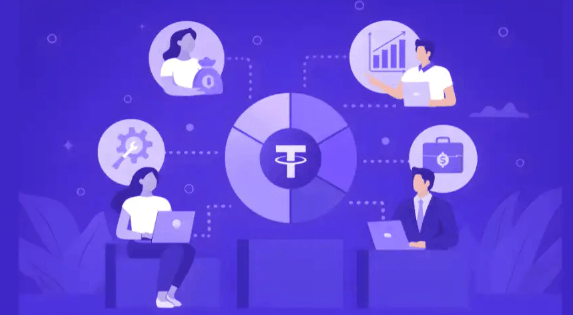
How Businesses Implement Continuous Verification
Organizations pursue continuous verification by automating asset discovery, policy enforcement, and auditable pipelines that span dev, test, and prod. They rely on data-driven metrics, real-time dashboards, and cross-functional collaboration to reduce toil and enable autonomous remediation. Governance evolves through phased, measurable deployments and standardized data flows. The approach remains scalable and auditable as environments transform, inviting stakeholders to consider the next steps in verification maturity and governance resilience.
What Continuous Verification Means for Modern Businesses
Continuous verification provides a structured approach for continuously validating software integrity, security controls, and compliance across environments.
In modern organizations, automation orchestrates risk-aware workflows, enabling rapid feedback loops and scalable governance.
Real time analytics empower proactive decision making, while privacy governance ensures compliant data handling.
Teams collaborate across domains, aligning objectives, reducing latency, and enhancing trust through auditable, repeatable verification practices.
Freedom-oriented, data-driven efficiency sustains resilient digital ecosystems.
The Core Capabilities That Make It Work
The core capabilities underpinning continuous verification translate strategy into action: automated asset discovery and state assessment, real-time policy enforcement, and auditable verification pipelines that span development, testing, and production. This framework supports risk governance and adaptive compliance, enabling autonomous remediation, data-driven decisions, and collaborative workflows. It emphasizes scalable visibility, consistent controls, and rapid feedback loops for freedom-seeking teams.
Concrete Steps to Build a Scalable Verification Program
To scale verification effectively, organizations begin with a phased, data-driven rollout that aligns governance objectives with automated tooling and measurable outcomes.
The program emphasizes risk governance and practical audit automation, enabling cross-functional teams to codify controls, standardize data flows, and orchestrate continuous checks.
Automation-first collaboration reduces toil, accelerates issue detection, and sustains scalable governance without sacrificing autonomy or momentum.
Measuring Impact and Evolving Governance Over Time
Over time, governance evolves through iterative experiments, unified dashboards, and transparent reporting, enabling autonomous optimization while preserving autonomy, trust, and freedom within compliant, resilient verification programs.
Frequently Asked Questions
How Do You Prioritize Verification in Multi-Cloud Environments?
Prioritizing verification in multi-cloud environments hinges on continuous auditing, risk scoring, and policy automation, supported by data provenance and access controls; governance across vendors enables compliance mapping, security posture enhancement, and collaborative, automation-driven risk management in a freedom-seeking landscape.
What Is the Budget Impact of Continuous Verification Programs?
The budget impact is managed through parallel investments in observability, automation, and governance, while cost optimization relies on continuous auditing, scalable tooling, and shared analytics; data-driven collaboration enables efficiency, freedom to iteratively reduce waste, and measurable financial gains.
How Often Should Verification Policy Updates Occur?
The answer: Verification cadence should be reviewed quarterly to align with evolving risks, regulatory changes, and system updates. Policy governance remains collaborative and automation-driven, enabling rapid adjustments, data-driven metrics, and freedom to iterate across teams without bottlenecks.
How Do You Train Teams for Ongoing Verification Practices?
Training teams for ongoing verification practices requires automated workflows, data-driven dashboards, and collaborative risk verification drills supported by vendors. This approach overcomes hesitation, visualizes progress, and grants freedom while sustaining rigorous continuous verification standards.
What Are Common Pitfalls During Vendor Risk Verification?
Vendor risk verification commonly encounters verification pitfalls such as incomplete data, fragmented workflows, and inconsistent metrics. A data-driven, automation-focused approach enables continuous monitoring, collaborative risk assessment, and scalable vendor risk programs that empower teams seeking operational freedom.
See also: How AI Chatbots Improve Customer Experience
Conclusion
Continuous verification thrives on automated asset discovery, real-time policy enforcement, and auditable pipelines that span development to production. Data-driven dashboards fuel iterative governance, while cross-functional teams automate remediation and reduce toil. Phased rollouts and standardized data flows preserve scalability and resilience in evolving environments. As the adage goes, “Trust, but verify”—and verify continuously. In this automation-first ethos, measurable outcomes, transparent reporting, and collaborative governance drive sustainable risk-aware assurance.